

Living With Hepatitis B or C – A Practical Guide for Patients and Families
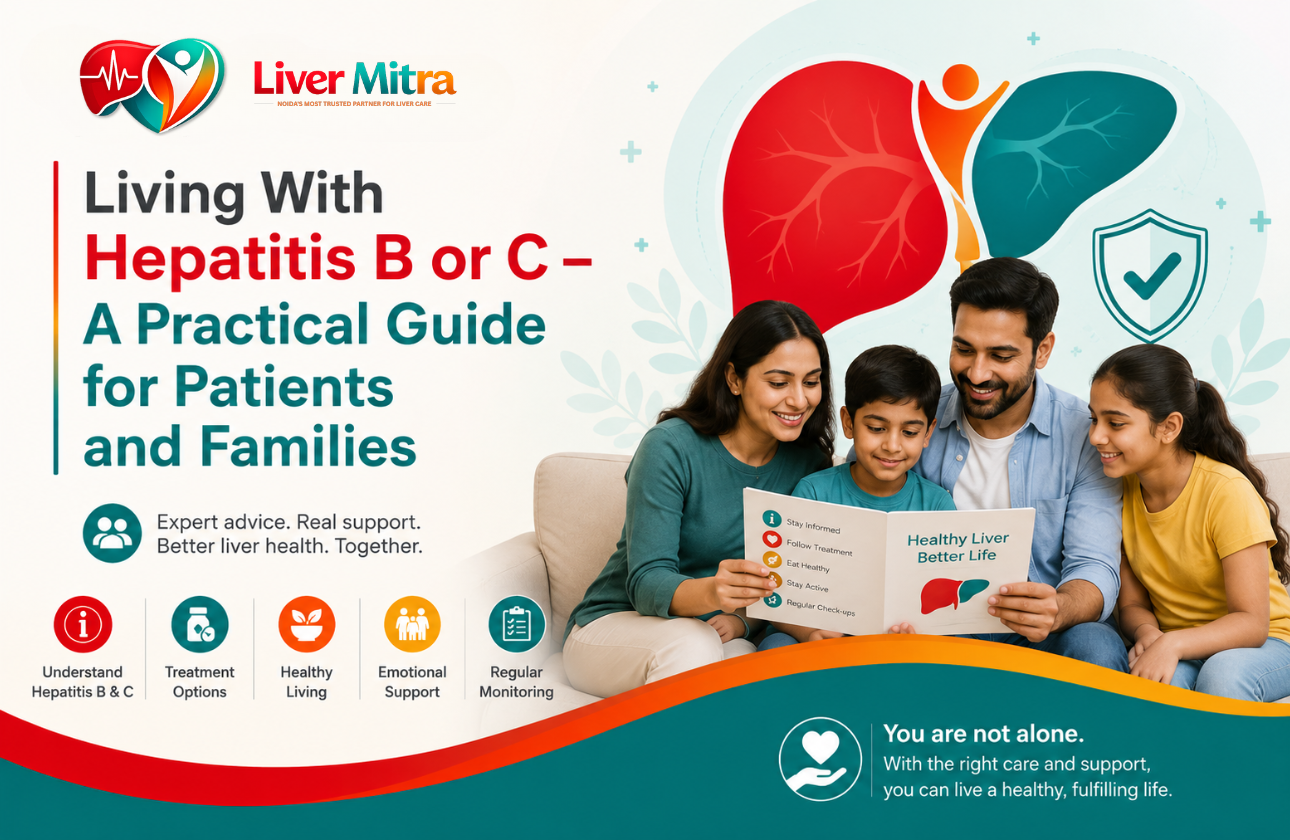
Being diagnosed with hepatitis B or C can bring a wave of emotions — confusion, fear, and often a sense of isolation, partly due to lingering misinformation and stigma surrounding viral liver infections. However, with proper medical care, consistent treatment, and accurate understanding, patients living with hepatitis B or C can lead full, healthy lives. This guide aims to provide practical, reassuring information for patients and their families navigating life after a diagnosis.
Understanding Your Diagnosis
The first step toward managing a hepatitis diagnosis effectively is understanding exactly what it means. Hepatitis B and C are viral infections that affect the liver, and both can present as either acute (short-term) or chronic (long-term) infections. While some individuals clear the hepatitis B virus naturally after acute infection, others develop chronic hepatitis B, requiring ongoing management. Hepatitis C, on the other hand, frequently becomes chronic without treatment, though modern antiviral medications now offer high cure rates for most patients.
Speaking openly with your hepatologist about your specific diagnosis — whether it's acute or chronic, and which genotype or strain is involved in the case of hepatitis C — helps set realistic expectations for your treatment journey ahead.
What to Expect During Treatment
Treatment approaches differ depending on whether you have hepatitis B or C. For chronic hepatitis B, treatment typically focuses on long-term antiviral medication to suppress the virus and protect liver function, often requiring ongoing monitoring rather than a fixed treatment endpoint. For hepatitis C, treatment usually involves a defined course of antiviral medication, often lasting several weeks to months, aimed at completely clearing the virus from the body.
Throughout treatment, regular follow-up appointments and blood tests are essential to monitor viral load, liver function, and overall treatment response. Consistency in taking prescribed medications exactly as directed significantly impacts treatment success, so establishing a reliable routine for medication adherence is important.
Preventing Transmission to Loved Ones
One of the most common concerns among newly diagnosed patients is the risk of transmitting the virus to family members or close contacts. Understanding how hepatitis B and C actually spread can significantly reduce unnecessary anxiety. Both viruses are primarily transmitted through blood-to-blood contact, meaning everyday activities like sharing meals, hugging, or living in the same household pose no risk of transmission. Precautions mainly involve avoiding sharing items that may carry blood traces, such as razors or toothbrushes, and ensuring appropriate protocols are followed regarding any wounds or medical procedures.
For hepatitis B specifically, vaccination is available and highly effective, so we strongly encourage close household contacts to get vaccinated if they haven't already, providing an additional layer of protection for the entire family.
Addressing Misconceptions and Stigma
Unfortunately, misinformation about hepatitis B and C has led to unnecessary stigma for many patients, sometimes affecting relationships, workplace dynamics, or social interactions. It's important for patients and families to understand that hepatitis B and C cannot spread through casual contact, sharing food, or everyday social interactions. Educating close family members and friends about these facts can help reduce isolation and unnecessary fear surrounding the diagnosis.
Lifestyle Considerations During Treatment
Alongside medical treatment, certain lifestyle adjustments can support overall liver health and treatment success. This includes avoiding alcohol consumption, as it places additional strain on the liver and can worsen outcomes, maintaining a balanced, liver-friendly diet, and getting adequate rest, particularly during antiviral treatment, which can sometimes cause mild fatigue as a side effect.
Emotional Wellbeing and Support
The emotional impact of a hepatitis diagnosis is often underestimated. Patients may experience anxiety, frustration, or even feelings of isolation, particularly in the early stages after diagnosis. We encourage patients to lean on trusted family members, consider connecting with support groups of others managing similar diagnoses, and don't hesitate to speak with a mental health professional if the emotional burden feels overwhelming. Open communication with your medical team about any emotional struggles is equally important, as your hepatologist can provide reassurance and connect you with additional support resources if needed.
Looking Ahead With Confidence
A hepatitis B or C diagnosis is not a reflection of your worth or a life sentence of illness — it's a manageable medical condition that, with proper care, allows most patients to continue living full, active lives. Regular follow-up care, consistent treatment adherence, and open communication with your healthcare team are the foundation of successful long-term management.
At Liver Mitra, our hepatology team is committed to supporting patients and families through every stage of their hepatitis journey — from diagnosis through treatment and beyond — with clear communication, compassionate care, and unwavering support.