

Who Needs a Liver Transplant? Eligibility, Evaluation & When to Consider Surgery
Introduction
The liver is one of the most important organs in the human body. It helps digest fats, removes toxins from the blood, stores essential nutrients, and produces proteins required for normal bodily functions. However, chronic liver diseases, severe infections, and certain liver cancers can damage the liver to the point where it can no longer function properly. In such situations, a liver transplant may become a life-saving treatment option.
Understanding who needs a liver transplant, the eligibility criteria, and the evaluation process can help patients and their families make informed decisions. If you or a loved one is experiencing advanced liver disease, consulting a specialist for the Best liver transplant in sector 128 noida can help you understand the available treatment options and the next steps.
What Is a Liver Transplant?
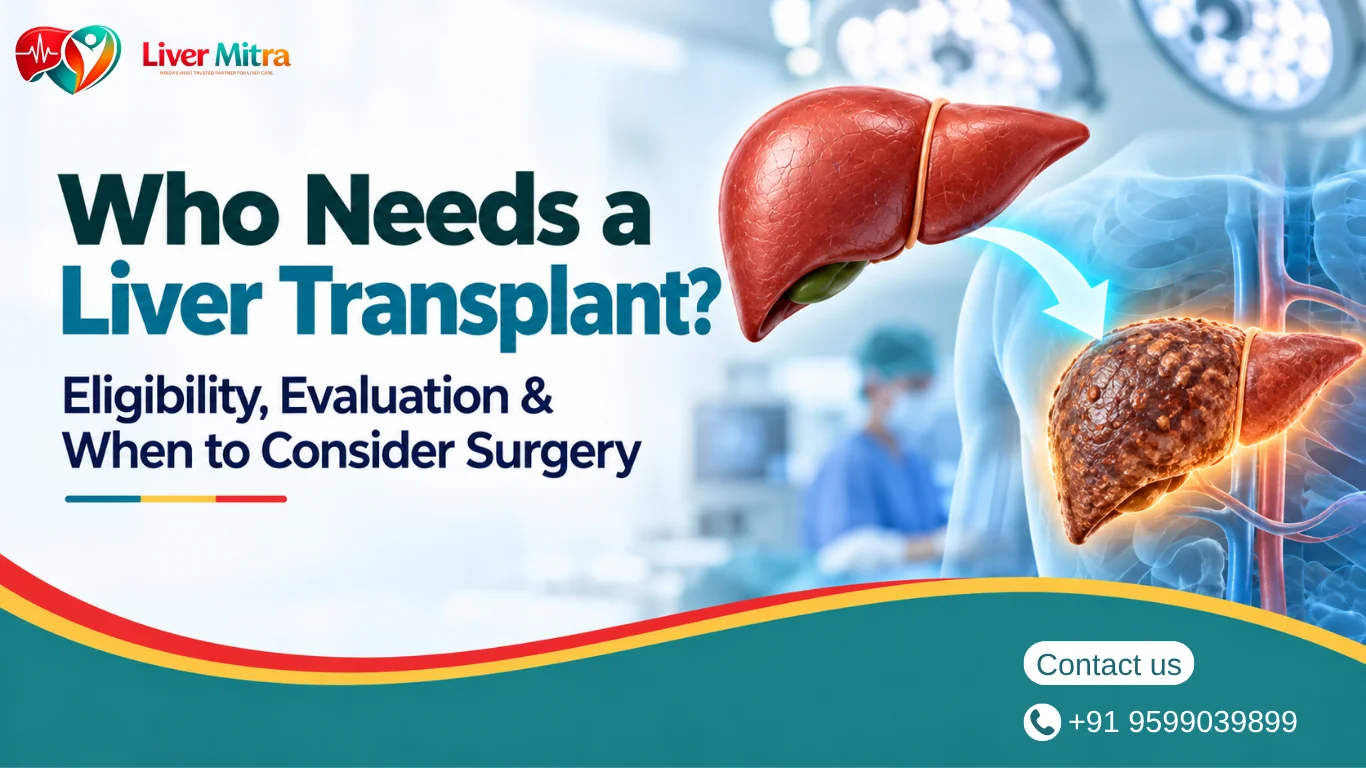
A liver transplant is a surgical procedure in which a diseased or severely damaged liver is replaced with a healthy liver from a donor. The donor liver may come from a deceased donor or a living donor who donates a portion of their liver.
The procedure is generally recommended when the liver can no longer perform its essential functions or when certain liver conditions carry a high risk of complications. Although liver transplantation is a major surgery, it can improve survival and quality of life for appropriately selected patients.
People exploring the Best liver transplant in sector 128 noida should seek guidance from an experienced transplant team to understand the benefits, risks, and suitability of the procedure.
Who Needs a Liver Transplant?
Not every person with liver disease requires a transplant. Doctors usually recommend it when the damage is severe, irreversible, and cannot be adequately managed through medication or other treatments.
1. End-Stage Liver Disease
End-stage liver disease occurs when long-term liver damage significantly affects the organ's ability to function. It may develop due to chronic hepatitis, alcohol-associated liver disease, or other conditions. Symptoms can include persistent fatigue, abdominal swelling, jaundice, and fluid accumulation.
When these complications become severe, a specialist may evaluate the patient for transplantation.
2. Liver Cirrhosis
Cirrhosis is a condition in which healthy liver tissue is replaced by scar tissue. Advanced cirrhosis can interfere with blood flow through the liver and reduce its ability to perform essential functions.
Patients with complications such as recurrent fluid accumulation, internal bleeding from enlarged veins, or hepatic encephalopathy may need a transplant assessment.
3. Acute Liver Failure
Acute liver failure develops rapidly, sometimes in people without a history of liver disease. Possible causes include certain drug toxicities, viral infections, and other severe liver injuries.
This condition requires urgent medical attention. In selected cases, emergency liver transplantation may be necessary to save the patient's life.
4. Certain Liver Cancers
Some patients with hepatocellular carcinoma, the most common type of primary liver cancer, may qualify for transplantation. Eligibility depends on factors such as tumour size, number, spread, liver function, and established transplant criteria.
A specialist team determines whether transplantation is appropriate or whether another treatment would provide a better outcome.
5. Inherited or Metabolic Liver Disorders
Certain inherited conditions, including Wilson's disease and some metabolic disorders, can cause severe liver damage. When the disease leads to irreversible liver failure, transplantation may be considered.
Patients seeking the Best liver transplant in sector 128 noida should receive an individual assessment because the underlying diagnosis and severity of disease influence treatment decisions.
What Are the Eligibility Criteria for a Liver Transplant?
Eligibility is determined through a detailed medical evaluation. The transplant team considers the patient's overall health, liver disease severity, potential benefits, and ability to recover after surgery.
Common factors include:
- Severity of liver disease: Doctors assess liver function and complications using clinical findings and scoring systems such as MELD-based scores where applicable.
- Overall physical health: Heart, lung, and kidney function are evaluated to determine whether the patient can safely undergo major surgery.
- Presence of infection: Active, uncontrolled infections may need treatment before transplantation.
- Cancer assessment: Patients with liver cancer must meet appropriate criteria regarding tumour characteristics and disease spread.
- Alcohol or substance use: When relevant, the team assesses treatment adherence, recovery support, and the risk of recurrence.
- Psychological and social support: Patients need help with recovery, medication management, and lifelong follow-up.
Age alone does not automatically determine eligibility. The decision depends on the patient's overall condition and the transplant centre's clinical assessment.
How Is a Patient Evaluated Before a Liver Transplant?
A comprehensive evaluation helps determine whether transplantation is safe and likely to provide meaningful benefits.
Medical History and Physical Examination
The doctor reviews the patient's symptoms, previous treatments, existing medical conditions, medication history, and lifestyle factors.
Blood Tests and Imaging
Blood tests assess liver and kidney function, blood clotting, infection markers, and blood group. Imaging tests, including ultrasound, CT scans, or MRI, may be required to evaluate the liver, blood vessels, and possible tumours.
Heart and Lung Assessment
Additional investigations help establish whether the patient's heart and lungs can tolerate the operation and anaesthesia.
Nutritional and Psychological Assessment
Good nutritional status can support recovery. The transplant team may also evaluate mental well-being, medication adherence, family support, and the patient's understanding of post-transplant care.
Donor Evaluation
For living-donor transplantation, the potential donor undergoes a separate, detailed assessment to ensure donation is medically appropriate and voluntary.
Patients looking for the Best liver transplant in sector 128 noida should choose a centre that provides coordinated evaluation, donor assessment, surgical care, and long-term follow-up.
When Should You Consider Liver Transplant Surgery?
A transplant consultation should not be delayed until liver disease becomes critical. Early assessment allows doctors to plan treatment, monitor complications, and evaluate transplant options before the patient's condition deteriorates.
You should discuss a transplant evaluation with a specialist if you experience:
- Recurrent fluid accumulation in the abdomen.
- Repeated hospital admissions due to liver complications.
- Persistent or worsening jaundice.
- Bleeding caused by enlarged veins in the digestive tract.
- Confusion, unusual sleepiness, or other signs of hepatic encephalopathy.
- Progressive deterioration in liver function despite treatment.
Sudden confusion, vomiting blood, black stools, or rapidly worsening jaundice requires urgent medical assessment. Do not wait for a routine appointment if these symptoms occur.
The Best liver transplant in sector 128 noida search should ideally lead patients to qualified specialists who can assess their condition and explain whether transplantation or another treatment is appropriate.
What Happens After a Liver Transplant?
Recovery requires close medical supervision. Patients usually remain in the hospital after surgery, with the duration depending on their condition and recovery progress.
After discharge, regular appointments and blood tests help doctors monitor liver function and detect complications. Patients must take prescribed immunosuppressant medicines to reduce the risk of organ rejection. These medicines require careful monitoring because they can increase susceptibility to infections and cause other side effects.
A balanced diet, appropriate physical activity, avoiding alcohol when medically advised, and following the prescribed treatment plan are important parts of long-term care.
Frequently Asked Questions (FAQs)
1. Who is eligible for a liver transplant?
Patients with end-stage liver disease, acute liver failure, certain liver cancers, or selected inherited liver disorders may be eligible. A transplant team evaluates liver function, overall health, complications, and expected benefits before making a recommendation.
2. At what stage of liver disease is a transplant required?
A transplant may be considered when liver disease becomes advanced, causes serious complications, or significantly reduces liver function despite treatment. The appropriate timing depends on the diagnosis, disease severity, and clinical assessment.
3. Can a person with liver cirrhosis undergo a liver transplant?
Yes. Patients with advanced cirrhosis may qualify for transplantation, particularly when they develop complications such as recurrent abdominal fluid accumulation, bleeding, or hepatic encephalopathy. Not every patient with cirrhosis requires a transplant.
4. How long does it take to recover from a liver transplant?
Recovery varies from person to person. Hospitalisation may last several days to a few weeks, depending on the patient's condition and complications. Full recovery can take several months, and lifelong medical follow-up is essential.
5. How do I find the right liver transplant specialist in Sector 128, Noida?
Look for a qualified transplant team with experience in liver transplantation, comprehensive donor evaluation, critical care facilities, and structured post-transplant follow-up. Discuss your diagnosis, treatment options, potential risks, and expected outcomes during the consultation.