

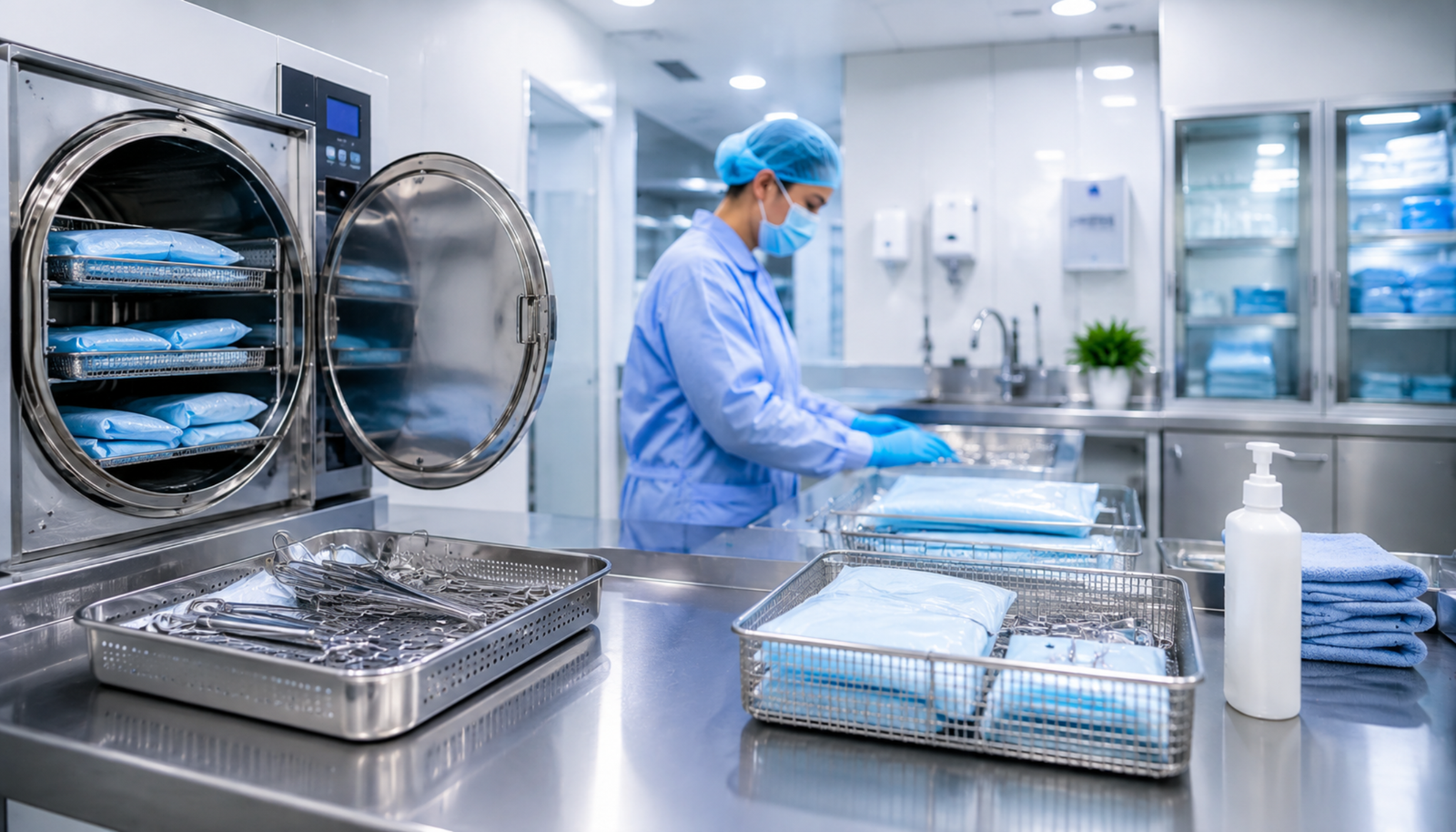
Infection Prevention & Sterilization
In healthcare, some of the most important safety measures are the ones patients may never notice. A thoroughly cleaned surface, correctly sterilized instrument, carefully handled medical waste, or properly performed hand hygiene may seem like small details—but together, they form a critical defence against healthcare-associated infections.
At Liver Mitra, Infection Prevention & Sterilization is treated as an essential part of quality patient care. The approach focuses on maintaining appropriate hygiene, reducing avoidable contamination risks, supporting safe procedures, and protecting patients and healthcare professionals across different areas of the facility.
Because in healthcare, cleanliness is not merely a standard—it is part of clinical responsibility.
A Culture of Infection Prevention
Infection prevention begins long before a procedure takes place. It is an ongoing process involving healthcare professionals, support staff, patients, caregivers, equipment, surfaces, and the environment.
Liver Mitra promotes infection-control practices appropriate to the care setting, with attention to hand hygiene, environmental cleanliness, safe equipment handling, appropriate use of protective equipment, and responsible disposal of healthcare waste.
These measures work together to reduce opportunities for microorganisms to spread within healthcare environments.
Cleaning and Environmental Hygiene
Regular and appropriate environmental cleaning is an important component of infection prevention.
Frequently touched surfaces and clinical areas require suitable cleaning and disinfection practices based on their use and level of contamination risk. Cleaning procedures should be performed using appropriate products and methods, with particular attention to areas where patients receive direct care.
A clean environment supports both patient safety and a more reassuring healthcare experience.
Sterilization of Reusable Instruments
Reusable medical instruments must be processed appropriately before they are used for another patient.
Sterilization is a specialized process designed to eliminate microorganisms from instruments and equipment that require a sterile state. The method used depends on the type of instrument, its material, intended use, and applicable clinical protocols.
At Liver Mitra, appropriate instrument handling, cleaning, disinfection, sterilization, storage, and preparation practices form part of the infection-control framework.
The objective is to ensure that instruments are processed systematically rather than relying on appearance alone.
Supporting Safe Minor Procedures
Infection prevention becomes particularly important in procedure-based care.
For patients undergoing selected minor procedures, appropriate preparation of the clinical environment, instruments, equipment, and healthcare personnel can help reduce the risk of contamination.
Hand hygiene, appropriate protective equipment, aseptic or sterile techniques where indicated, instrument processing, and safe disposal practices all contribute to procedural safety.
The exact infection-control measures depend on the nature of the procedure and the patient's clinical requirements.
Hand Hygiene: A Simple Step with Major Impact
Hand hygiene remains one of the most important measures for reducing the spread of infections in healthcare environments.
Healthcare professionals are expected to perform hand hygiene at appropriate moments during patient care. Patients and caregivers can also contribute by maintaining clean hands, particularly before eating, after using the restroom, and when caring for wounds or medical devices.
At Liver Mitra, hand hygiene is viewed as a shared responsibility rather than a task belonging to one department.
Safe Handling of Medical Equipment
Medical equipment can become a potential source of contamination if it is not cleaned, disinfected, or processed appropriately.
Equipment used for patient care should be handled according to its intended use and applicable infection-control requirements. Where equipment is shared between patients, appropriate cleaning or disinfection should be performed between uses when required.
This systematic approach helps reduce the possibility of microorganisms being transferred from one patient or environment to another.
Healthcare Waste Management
Proper disposal of healthcare waste is another important part of infection prevention.
Different types of waste may require different handling and disposal procedures. Sharps, contaminated materials, dressings, and other biomedical waste should be segregated and managed according to applicable healthcare waste-management requirements.
Safe waste handling protects patients, healthcare workers, sanitation staff, and the wider environment.
Infection Prevention During Patient Care
Different areas of healthcare require different infection-control considerations. Consultation rooms, diagnostic areas, observation beds, procedure rooms, nursing areas, and pharmacy spaces each have their own operational requirements.
Liver Mitra's infection-prevention approach is therefore designed to support hygiene across the entire patient journey rather than concentrating only on procedure rooms.
From patient entry to clinical assessment, investigation, treatment, observation, and discharge, infection prevention remains an ongoing priority.
Protecting Vulnerable Patients
Some patients may be more vulnerable to infections because of age, chronic illness, weakened immunity, advanced disease, recent procedures, or prolonged medical treatment.
Patients with significant liver disease may require particularly thoughtful clinical management because complications can sometimes be more serious.
Appropriate infection-control practices can help create a safer environment for vulnerable patients while supporting the healthcare team's ability to deliver care responsibly.
Patient and Caregiver Participation
Infection prevention works best when everyone participates.
Patients and caregivers can support healthcare hygiene by following facility instructions, maintaining hand hygiene, keeping wounds and dressings clean, informing staff about symptoms of infection, and avoiding unnecessary contact with clinical equipment.
Visitors may also be asked to follow specific precautions when appropriate.
Simple cooperation can make a meaningful difference.
Continuous Attention to Safety
Infection prevention is not a one-time activity. It requires consistency, staff awareness, appropriate training, monitoring, and continual attention to healthcare practices.
At Liver Mitra, infection prevention and sterilization form part of a broader commitment to patient safety and quality care. By combining environmental hygiene, appropriate instrument processing, hand hygiene, safe equipment handling, procedural precautions, and responsible waste management, the facility aims to reduce preventable infection risks.
Because the safest healthcare environment is built through thousands of careful actions—performed consistently, every day, for every patient.