

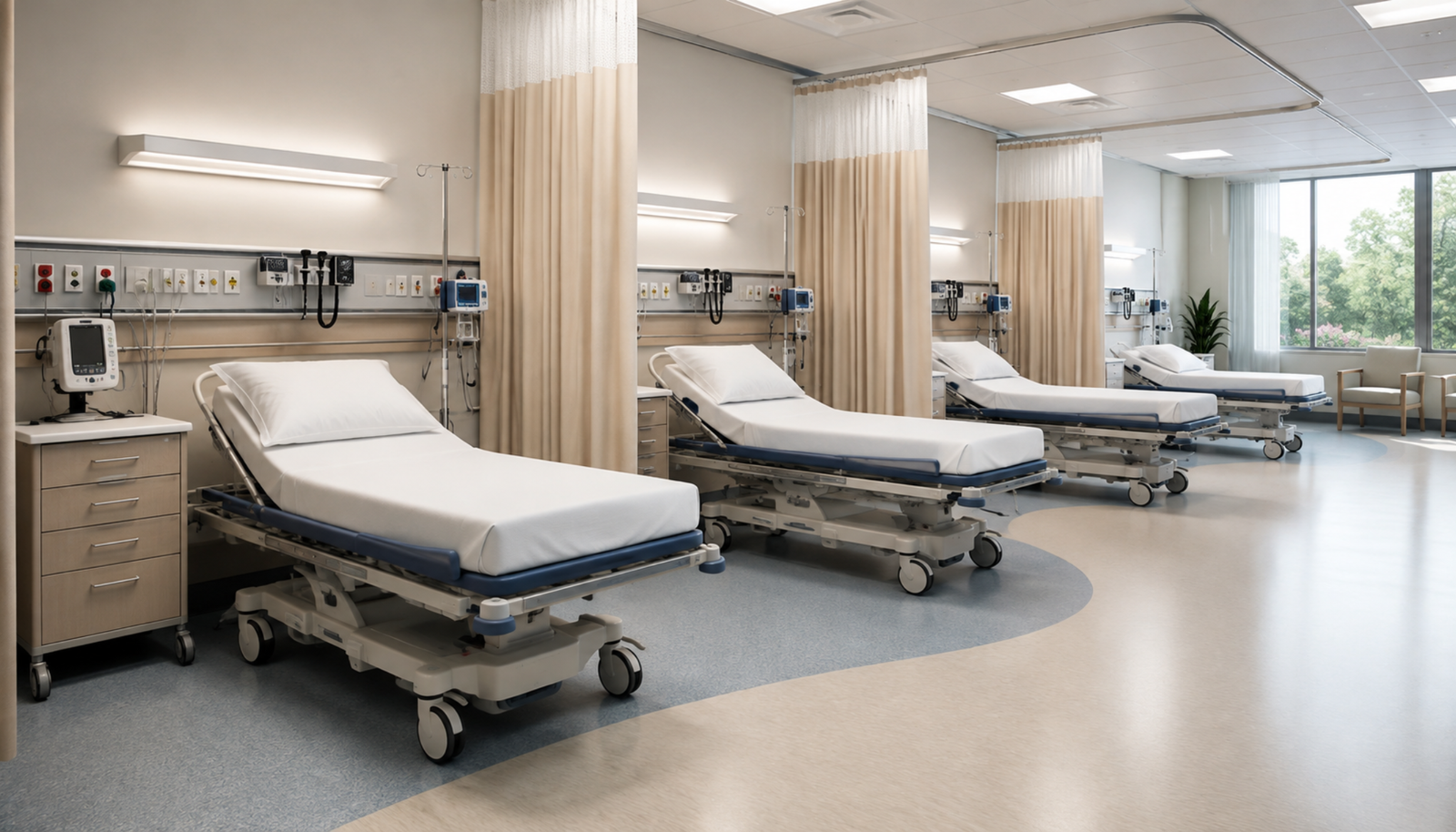
Observation & Short-Stay Beds
Not every medical concern requires a prolonged hospital stay. At the same time, some patients need more attention than a routine outpatient consultation can provide. They may need several hours of observation, medication administration, repeat assessment, monitoring of symptoms, or time for diagnostic results before a safe decision can be made.
Liver Mitra's Observation & Short-Stay Beds are designed to bridge this important gap between outpatient consultation and extended hospitalization. The facility provides a monitored environment where appropriate patients can receive short-term medical attention while their condition is assessed and their next step is determined.
The philosophy is simple: the right level of care, for the right amount of time, with patient safety at the centre.
What Are Observation & Short-Stay Beds?
Observation care is intended for patients who require medical monitoring or short-term treatment but may not immediately need full inpatient admission. A short-stay bed can provide a comfortable and clinically supervised space for assessment over a limited period.
Depending on the patient's condition, observation may be recommended after an emergency evaluation, outpatient consultation, minor procedure, medication administration, or diagnostic assessment.
The purpose is not simply to keep a patient under observation. It is to give the healthcare team enough time to understand how the patient is responding and make an informed decision about continued care.
Supporting Liver and Gastrointestinal Care
Patients with liver and gastrointestinal conditions can sometimes experience symptoms that need monitoring before a treatment decision is made. Abdominal discomfort, vomiting, dehydration, weakness, mild fluctuations in symptoms, or medication-related concerns may require closer observation.
For selected patients, short-stay monitoring can help clinicians assess whether symptoms are improving, remaining stable, or requiring escalation.
Patients with known liver disease may also require careful observation when there are changes in their usual condition. The appropriate level of monitoring depends on the patient's symptoms, medical history, examination findings, and clinical risk.
What Happens During Observation?
The observation period is individualized according to the patient's needs. The clinical team may monitor vital signs, symptoms, hydration status, pain levels, response to prescribed treatment, and other relevant clinical parameters.
Where clinically indicated, patients may undergo investigations such as blood tests or imaging. Existing medical reports can also be reviewed to understand the patient's condition and avoid unnecessary delays.
Treatment during a short stay may include prescribed medications, supportive care, hydration, symptom management, or other appropriate interventions. All care is determined according to the patient's clinical requirements.
The aim is to create a structured period of watchful care and informed decision-making.
A Valuable Bridge Between OPD and Hospital Admission
One of the important advantages of observation care is that it provides an intermediate option when the final disposition is not immediately clear.
For example, a patient may initially appear stable but require several hours of monitoring to determine whether symptoms settle. Alternatively, a patient may improve sufficiently during observation to continue recovery at home with appropriate instructions and follow-up.
If the patient's condition indicates the need for a higher level of care, the medical team can recommend hospital admission or appropriate referral without unnecessary delay.
This approach can help ensure that clinical decisions are based on the patient's response rather than made prematurely.
Short-Stay Care After Procedures
Some patients may require brief monitoring following a procedure or clinical intervention. Observation can provide time to assess recovery, monitor symptoms, and ensure that the patient is stable before discharge.
The duration of observation depends on the procedure, the patient's overall health, clinical findings, and the treating team's assessment. Patients and caregivers receive appropriate instructions regarding medications, diet, activity, warning signs, and follow-up where applicable.
Comfort Meets Clinical Vigilance
Being monitored does not have to mean feeling disconnected from care. Liver Mitra aims to combine a patient-friendly environment with appropriate clinical supervision.
Patients can rest while the healthcare team continues to assess their progress. Family members and caregivers can also receive clear information about the patient's condition and the expected next steps.
The objective is to make short-term medical care organized, reassuring, and focused on recovery.
When Observation May Be Recommended
Observation or short-stay care may be considered in selected situations such as:
- Monitoring symptoms after an urgent consultation
- Short-term management of dehydration or weakness
- Observation after selected procedures
- Monitoring response to prescribed treatment
- Reassessment of abdominal or gastrointestinal symptoms
- Reviewing the patient's condition while diagnostic results are awaited
- Monitoring patients with stable but potentially evolving symptoms
- Determining whether home care or hospital admission is appropriate
Not every patient is suitable for observation care. Patients with severe or rapidly worsening conditions may require immediate hospital-based emergency treatment.
Safe Discharge and Follow-Up Planning
Discharge from observation is not simply about leaving the facility. Before going home, the patient's clinical condition should be reviewed and the next steps explained.
Depending on the situation, discharge planning may include medication instructions, dietary recommendations, follow-up consultation, investigation review, and information about symptoms that require urgent medical attention.
For patients managing chronic liver disease, follow-up can be particularly important. Continued monitoring can help identify changes early and support long-term disease management.
Personalized Short-Stay Care at Liver Mitra
Every patient has different needs. Some may require only a few hours of observation, while others may need escalation to a hospital setting. Liver Mitra's Observation & Short-Stay Beds are designed to support this individualized approach.
By providing a monitored space between routine outpatient care and prolonged hospitalization, the facility helps clinicians make more informed decisions while giving suitable patients focused medical attention in a comfortable setting.
Liver Mitra brings together observation, clinical vigilance, and compassionate care—helping patients receive the level of attention they need, when they need it.