

10 Early Warning Signs of Liver Disease You Should Never Ignore
The liver performs over 500 vital functions in the human body, from filtering toxins and processing nutrients to producing essential proteins and aiding digestion. Despite its critical role, liver disease often develops silently, with many people unaware anything is wrong until the condition has progressed significantly. Understanding the early warning signs of liver disease can help you seek timely medical care and potentially prevent more serious complications down the line.
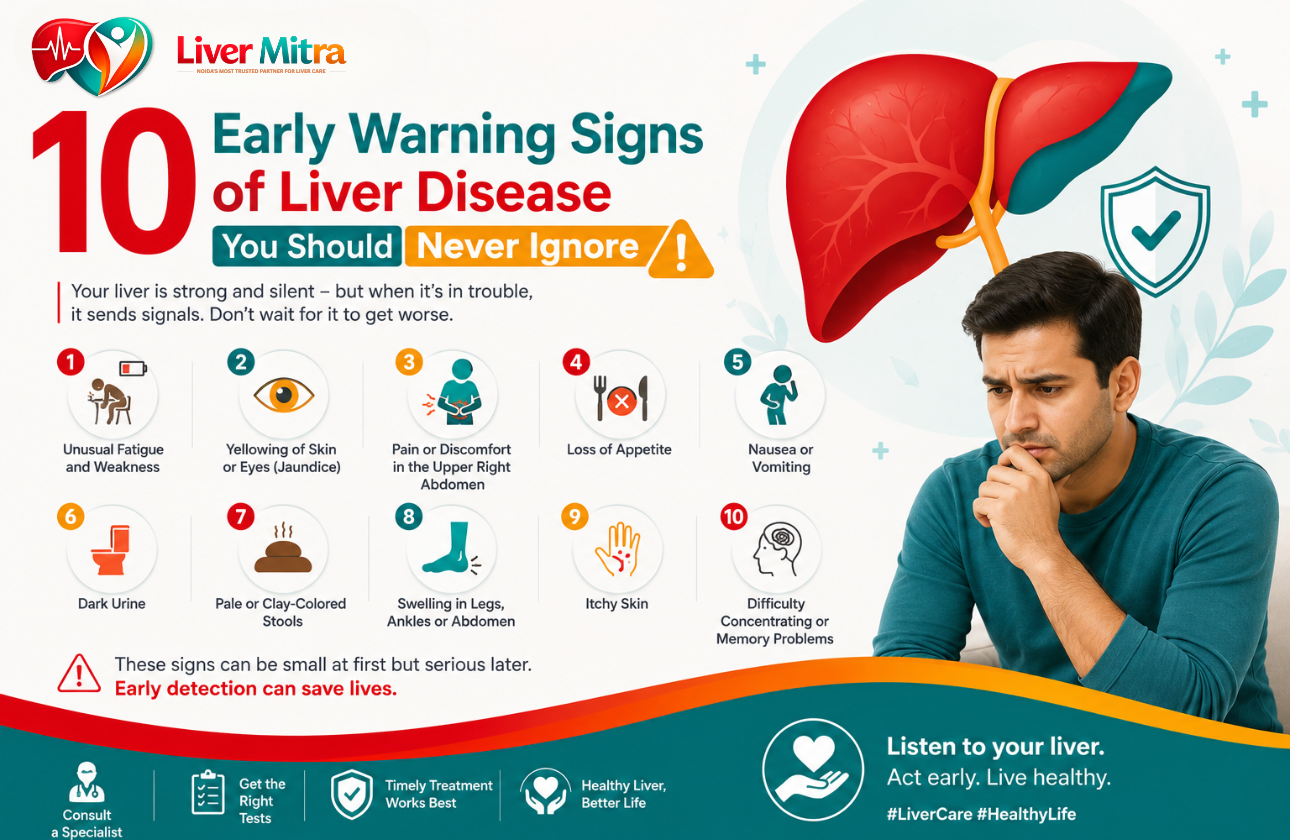
1. Persistent Fatigue
One of the earliest and most commonly overlooked signs of liver trouble is ongoing, unexplained tiredness. Unlike normal fatigue that improves with rest, liver-related fatigue tends to persist regardless of sleep or rest, often because the liver's reduced ability to process toxins affects overall energy levels.
2. Loss of Appetite and Unexplained Weight Loss
A struggling liver can affect digestion and nutrient processing, leading to reduced appetite and gradual, unintentional weight loss. If you notice a consistent decline in appetite without a clear cause, it may be worth discussing with your doctor.
3. Nausea and Digestive Discomfort
Mild, recurring nausea or general digestive discomfort — particularly after eating fatty foods — can indicate that the liver is having difficulty processing fats properly, a common early sign of fatty liver disease.
4. Abdominal Discomfort or Swelling
Mild pain or a feeling of fullness in the upper right abdomen, where the liver is located, can be an early indicator of liver inflammation or enlargement. In more advanced cases, fluid buildup can cause noticeable abdominal swelling.
5. Yellowing of Skin or Eyes (Jaundice)
Jaundice occurs when the liver cannot properly process bilirubin, leading to a yellowish tint in the skin and eyes. While jaundice is a more advanced symptom, mild or intermittent yellowing should never be ignored.
6. Dark Urine and Pale Stools
Changes in urine or stool color can indicate liver dysfunction. Dark urine combined with unusually pale or clay-colored stools often signals that bile processing has been disrupted.
7. Easy Bruising or Bleeding
The liver produces proteins essential for blood clotting. When liver function declines, patients may notice they bruise more easily or experience prolonged bleeding from minor cuts.
8. Itchy Skin
Persistent, unexplained itching — particularly without any visible rash — can result from bile salt buildup under the skin due to impaired liver function.
9. Swelling in Legs or Ankles
Reduced liver function can affect protein production, leading to fluid retention that commonly appears as swelling in the lower legs, ankles, or feet.
10. Mental Confusion or Difficulty Concentrating
In more advanced liver conditions, toxin buildup in the bloodstream can affect brain function, leading to confusion, memory difficulties, or trouble concentrating — a condition known as hepatic encephalopathy.
Who Is Most at Risk?
While liver disease can affect anyone, certain individuals face a higher risk, including those who are overweight or obese, individuals with type 2 diabetes, people who consume alcohol regularly or excessively, those with a family history of liver disease, and individuals who have been exposed to hepatitis viruses. If you fall into any of these categories, routine liver screening is strongly recommended, even in the absence of symptoms.
Why Early Detection Matters
Many liver conditions, when caught early, can be managed effectively through lifestyle changes, medication, or targeted treatment — often preventing progression to more serious conditions like cirrhosis or liver failure. Simple blood tests, such as liver function tests, combined with imaging studies when necessary, can detect liver abnormalities long before symptoms become severe.
When to See a Doctor
If you're experiencing any combination of the symptoms discussed above — particularly persistent fatigue, digestive discomfort, or any yellowing of the skin or eyes — it's important to schedule a liver health evaluation promptly. Early consultation with a hepatologist allows for accurate diagnosis and a treatment plan tailored to your specific condition, significantly improving long-term outcomes.
At Liver Mitra, our team specializes in early detection and comprehensive treatment of liver disease. If you recognize any of these warning signs in yourself or a loved one, we encourage you to schedule a consultation with our hepatology specialists today.