

Fatty Liver Disease – Causes, Symptoms, and How to Reverse It
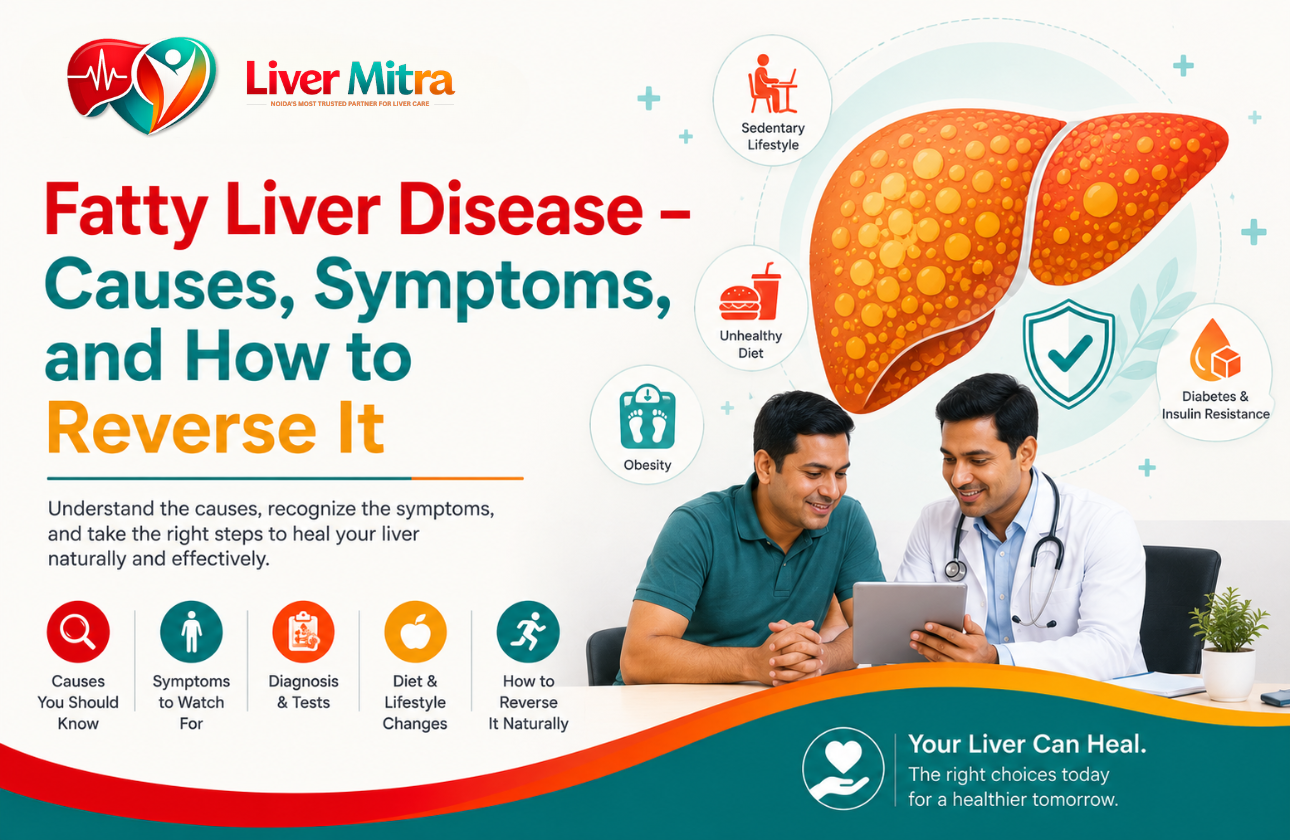
Fatty liver disease, medically known as hepatic steatosis, occurs when excess fat accumulates in liver cells. While a small amount of fat in the liver is normal, excessive buildup can lead to inflammation, liver damage, and in advanced cases, progression to cirrhosis or liver failure. With rising rates of obesity and sedentary lifestyles worldwide, fatty liver disease has become increasingly common — and increasingly important to understand.
Understanding the Two Types of Fatty Liver Disease
Fatty liver disease is generally categorized into two types: Alcoholic Fatty Liver Disease (AFLD), which develops due to excessive alcohol consumption over time, and Non-Alcoholic Fatty Liver Disease (NAFLD), which occurs in individuals who consume little to no alcohol but develop fat accumulation due to other metabolic factors. NAFLD has become particularly prevalent in recent years, closely linked to rising obesity, diabetes, and metabolic syndrome rates globally.
Common Causes of Fatty Liver Disease
Several factors contribute to the development of fatty liver disease. Obesity is one of the most significant risk factors, as excess body fat — particularly around the abdomen — is closely linked to fat accumulation in the liver. Insulin resistance and type 2 diabetes also play a major role, as impaired insulin function affects how the body processes and stores fat. Additionally, high cholesterol and triglyceride levels, sedentary lifestyle habits, and, in the case of AFLD, regular or excessive alcohol consumption are all significant contributing factors.
Recognizing the Symptoms
One of the most challenging aspects of fatty liver disease is that it often presents with minimal or no symptoms, particularly in its early stages. When symptoms do appear, they may include mild fatigue, general discomfort or a feeling of fullness in the upper right abdomen, and in more advanced cases, unexplained weight loss or weakness. Because symptoms are often subtle or absent, fatty liver disease is frequently discovered incidentally during routine blood work or abdominal imaging performed for unrelated reasons.
Why Early Detection Matters
Left unaddressed, fatty liver disease can progress from simple fat accumulation to non-alcoholic steatohepatitis (NASH) or alcoholic hepatitis, involving liver inflammation and cell damage. Over time, this can lead to fibrosis (scarring), and eventually cirrhosis — a serious, often irreversible condition. This is why early detection, particularly in individuals with known risk factors, is so important. Simple blood tests combined with abdominal ultrasound or fibroscan assessments can often identify fatty liver disease long before it progresses to more serious stages.
Can Fatty Liver Disease Be Reversed?
The encouraging news is that early-stage fatty liver disease is often reversible through consistent lifestyle changes. Here's how:
1. Dietary Changes: Reducing intake of processed foods, added sugars, and saturated fats while increasing consumption of vegetables, whole grains, and lean proteins can significantly reduce liver fat over time.
2. Weight Management: Even a modest weight loss of 5–10% of body weight has been shown to meaningfully reduce liver fat content and improve overall liver function in many patients.
3. Regular Physical Activity: Incorporating regular exercise — even moderate activity like brisk walking — helps improve insulin sensitivity and supports overall metabolic health, both of which positively impact liver fat levels.
4. Limiting or Eliminating Alcohol: For individuals with alcoholic fatty liver disease, reducing or completely eliminating alcohol consumption is essential for reversing liver damage and preventing further progression.
5. Managing Underlying Conditions: For patients with diabetes, high cholesterol, or metabolic syndrome, working closely with a doctor to manage these conditions effectively also supports liver health improvement.
When Medical Intervention Becomes Necessary
While lifestyle changes are effective for many patients, some cases require more structured medical management, particularly if fatty liver disease has progressed to NASH or shown signs of fibrosis. In these cases, a hepatologist may recommend more frequent monitoring, specific medications to manage related conditions like diabetes or cholesterol, and closer tracking of liver function through regular testing.
The Importance of Ongoing Monitoring
Even after successful reversal of fatty liver disease through lifestyle changes, ongoing monitoring remains important, as the condition can redevelop if healthy habits aren't maintained long-term. Regular check-ups with a hepatologist help ensure liver health remains stable over time.
Taking the First Step
If you've been diagnosed with fatty liver disease, or believe you may be at risk due to obesity, diabetes, or lifestyle factors, we encourage you to schedule a consultation with our hepatology team at Liver Mitra. With the right guidance and consistent effort, fatty liver disease is often a manageable — and reversible — condition.